MASB ANNUAL DINNER 2013

Friday, March 8, 2013

Read more...

MASB TEAM BUILDING 2012

Friday, June 15, 2012


Read more...

What are Woody Fuels?

Tuesday, May 8, 2012

Wood wastes of all types make excellent biomass fuels and can be used in a wide variety of biomass technologies. Combustion of woody fuels to generate steam or electricity is a proven technology and is the most common "biomass to energy" process.


Different types of woody fuels can typically be mixed together as a common fuel, although differing moisture content and chemical makeup can affect the overall conversion rate or efficiency of a biomass project.

There are at least six subgroups of woody fuels. The differences between these subgroups mainly have to do with availability and cost.
• Forestry residues: In-forest woody debris and slash from logging and forest management activities.

• Mill residues: Byproducts such as sawdust, hog fuel, and wood chips from lumber mills, plywood manufacturing, and other wood processing facilities.

• Agricultural residues: Byproducts of agricultural activities including crop wastes, vineyard and orchard prunings or turnings, and rejected agricultural products.

• Urban wood and yard wastes: Residential organics collected by municipal programs or recycling centers and construction wood wastes.

• Dedicated biomass crops: Trees, corn, rape seed oil and other crops grown as dedicated feedstocks for a biomass project.

• Chemical recovery fuels (black liquor): Woody residues recovered out of the chemicals used to separate fiber for the pulp and paper industry.


(Source : http://www.biomassheating.co.uk/)

Read more...

MASB Annual Dinner 2012

Wednesday, February 8, 2012


Read more...

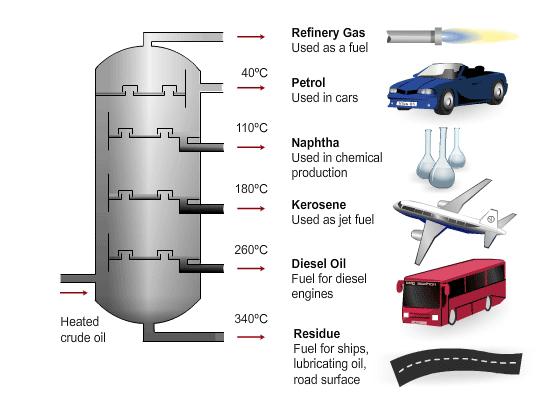
What is crude oil, and what is used for ?

Tuesday, February 7, 2012


Crude oil is pumped from the ground in the Middle East (e.g., Saudi Arabian Arab Light),
West Africa (e.g., Nigerian Bonny Light), the Americas, and Asia (Russia), pumped into
ships called tankers, and sailed across the ocean to oil refineries on the Delaware River.

Refining is the complex series of processes that manufactures finished petroleum products
out of crude oil. While refining begins as simple distillation (by heating and separating), refiners
must use more sophisticated additional processes and equipment in order to produce the mix
of products that the market demands. Generally, this latter effort minimizes the production of
heavier, lower value products (for example, residual fuel oil, used to power large ocean-going
ships) in favor of middle distillates (jet fuel, kerosene, home heating oil and diesel fuel) and
lighter, higher value products (liquid petroleum gases (LPG), naphtha, and gasoline).

Read more...

Wednesday, June 1, 2011

MAJU ANTARA SDN BHD COMPANY TRIP 2011
PULAU REDANG
(28th April 2011 - 02nd May 2011)


Read more...

MASB PROCESS AND PROJECT APPROACH

Friday, April 22, 2011


Our Process

Bringing Your Biomass Project From Concept To Creation

MASB is a flexible, customer oriented organization. We offer turnkey waste-to-energy, heat generation to drying processes end to end solutions, making the technology we sell only one component of the equation.

Each solution we create is customized to each client's needs, and has its own unique characteristics.

Even so, there are common themes that run through each dialogue. The following is what you can expect from MASB as we develop your biomass energy solution.

1. Project Size Determination
There are two key methods to sizing a biomass project. These processes are not mutually exclusive, but at early stages, this approach helps clarify the discussion:

a - Establish the energy demands of the site
  • Energy demand (electrical, steam, heat, pressure, etc.)
  • Demand cycles (operation hours, load cycles)
  • Available supplemental energy sources (if needed) 
b - Establish potential feedstock availability
  • Determine on-site biomass (opportunity fuel) quantities if available
  • Determine potential external biomass sources (MASB retains a network of biomass feedstock providers) 
2. Biomass Fuel Due Diligence
Depending on the nature of your biomass, there may be information available as to its performance as a fuel. MASB retains substantial data on many varieties of biomass, which will be utilized as applicable.

3. Project Economics Evaluation
Once we have determined the estimated potential and/or scope of a project, we can begin to look at the savings opportunities biomass fuel can create. These savings generally come from:
  • Reduced or removed cost of existing energy sources: Electricity, natural gas, oil, propane, etc.
  • Reduced or removed cost of waste disposal: Tipping fees, transport costs, environmental penalties, labor etc.
  • Opportunities for grants, incentives or other financial assistance as a green project

This step also involves investigating the customer's preferred payment terms: Full purchase, a choice of leasing options, or other payment arrangements as applicable.

4. Biomass Fuel Characteristics Verification

Phase 1: Proximate Ultimate Test

The previous steps should provide enough information to determine if the project has sufficient R.O.I. to warrant further investigation. Although existing information may be available, by nature, no two biomass materials are exactly the same. Soil quality, moisture, animal diet or storage durations can impact an opportunity fuel's performance. Because of these variations, MASB conducts proximate ultimate testing on your specific biomass. A predetermined quantity of your opportunity fuel will be required, and sufficient data will be created to dictate next steps.

Phase 2: Fuel Evaluation

MASB will perform a multiple day evaluation of your fuel stock in a production-model gasification unit. The testing includes the monitoring and reporting of emissions, fuel performance, fuel feed demands, BTU value, and ash characteristics of your opportunity fuel. This testing will yield sufficient information to allow MASB to offer you performance guarantees for your feedstock within certain parameters. 80% of your investment in a biomass test.

5. Emissions Compliance
Depending on the size of the installation, the location, and the opportunity fuel being utilized, MASB and its partners will perform research and permitting activities for compliance with air regulations.

6. Initial Biomass Solution Design
Once the properties and performance of the fuel has been verified and found to be feasible, MASB submits a more formalized proposal. All of the critical components of the installation, from fuel feeding system, to unit size, to filtration and stack parameters, are outlined and budgetary pricing estimates are determined. Timelines are fashioned based on the current market demand.

7. Project Planning and Final On Site Research
Now that the customer is equipped with budgetary pricing, and the hardware needs have been determined, MASB conducts extensive on site research. This research includes all final technical details, addresses fatal flaws, and otherwise allows MASB adjust the specifications to fully meet the customer's needs and addresses the unique demands of the installation.

8. Final Project Pricing, Scheduling & Commencement
Once MASB and the customer feel confident that the project is ready to break ground, the final steps are to finalize pricing, scheduling and startup information. Initial payment for the solution is made, and the order is placed with our technology producers.

Read more...

Renewable Energy

Renewable energy is energy generated from natural resources such as sunlight, wind, rain, tides, and geothermal heat, which are renewable (naturally replenished). (From Wikipedia)


Energy Development

Energy development is the ongoing effort to provide abundunt and accessible energy, thorough knowledge, skills and constructions.


Contact Us

MAJU ANTARA SDN BHD (50816-P)
No. 898, Jalan Sultan Badlishah,
05000 Alor Setar,
Kedah Darulaman,
Malaysia.
Tel : +(60)4-7311884,7315266
Fax : +(60)4-7332798
Helpline : +(60)16-4195266
Email : info@majuantara.com.my
Website : www.majuantara.com.my