MASB Annual Dinner 2012

Wednesday, February 8, 2012


Read more...

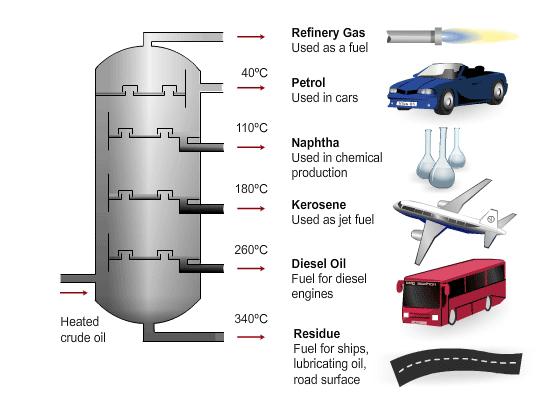
What is crude oil, and what is used for ?

Tuesday, February 7, 2012


Crude oil is pumped from the ground in the Middle East (e.g., Saudi Arabian Arab Light),
West Africa (e.g., Nigerian Bonny Light), the Americas, and Asia (Russia), pumped into
ships called tankers, and sailed across the ocean to oil refineries on the Delaware River.

Refining is the complex series of processes that manufactures finished petroleum products
out of crude oil. While refining begins as simple distillation (by heating and separating), refiners
must use more sophisticated additional processes and equipment in order to produce the mix
of products that the market demands. Generally, this latter effort minimizes the production of
heavier, lower value products (for example, residual fuel oil, used to power large ocean-going
ships) in favor of middle distillates (jet fuel, kerosene, home heating oil and diesel fuel) and
lighter, higher value products (liquid petroleum gases (LPG), naphtha, and gasoline).

Read more...

Wednesday, June 1, 2011

MAJU ANTARA SDN BHD COMPANY TRIP 2011
PULAU REDANG
(28th April 2011 - 02nd May 2011)


Read more...

MASB PROCESS AND PROJECT APPROACH

Friday, April 22, 2011


Our Process

Bringing Your Biomass Project From Concept To Creation

MASB is a flexible, customer oriented organization. We offer turnkey waste-to-energy, heat generation to drying processes end to end solutions, making the technology we sell only one component of the equation.

Each solution we create is customized to each client's needs, and has its own unique characteristics.

Even so, there are common themes that run through each dialogue. The following is what you can expect from MASB as we develop your biomass energy solution.

1. Project Size Determination
There are two key methods to sizing a biomass project. These processes are not mutually exclusive, but at early stages, this approach helps clarify the discussion:

a - Establish the energy demands of the site
  • Energy demand (electrical, steam, heat, pressure, etc.)
  • Demand cycles (operation hours, load cycles)
  • Available supplemental energy sources (if needed) 
b - Establish potential feedstock availability
  • Determine on-site biomass (opportunity fuel) quantities if available
  • Determine potential external biomass sources (MASB retains a network of biomass feedstock providers) 
2. Biomass Fuel Due Diligence
Depending on the nature of your biomass, there may be information available as to its performance as a fuel. MASB retains substantial data on many varieties of biomass, which will be utilized as applicable.

3. Project Economics Evaluation
Once we have determined the estimated potential and/or scope of a project, we can begin to look at the savings opportunities biomass fuel can create. These savings generally come from:
  • Reduced or removed cost of existing energy sources: Electricity, natural gas, oil, propane, etc.
  • Reduced or removed cost of waste disposal: Tipping fees, transport costs, environmental penalties, labor etc.
  • Opportunities for grants, incentives or other financial assistance as a green project

This step also involves investigating the customer's preferred payment terms: Full purchase, a choice of leasing options, or other payment arrangements as applicable.

4. Biomass Fuel Characteristics Verification

Phase 1: Proximate Ultimate Test

The previous steps should provide enough information to determine if the project has sufficient R.O.I. to warrant further investigation. Although existing information may be available, by nature, no two biomass materials are exactly the same. Soil quality, moisture, animal diet or storage durations can impact an opportunity fuel's performance. Because of these variations, MASB conducts proximate ultimate testing on your specific biomass. A predetermined quantity of your opportunity fuel will be required, and sufficient data will be created to dictate next steps.

Phase 2: Fuel Evaluation

MASB will perform a multiple day evaluation of your fuel stock in a production-model gasification unit. The testing includes the monitoring and reporting of emissions, fuel performance, fuel feed demands, BTU value, and ash characteristics of your opportunity fuel. This testing will yield sufficient information to allow MASB to offer you performance guarantees for your feedstock within certain parameters. 80% of your investment in a biomass test.

5. Emissions Compliance
Depending on the size of the installation, the location, and the opportunity fuel being utilized, MASB and its partners will perform research and permitting activities for compliance with air regulations.

6. Initial Biomass Solution Design
Once the properties and performance of the fuel has been verified and found to be feasible, MASB submits a more formalized proposal. All of the critical components of the installation, from fuel feeding system, to unit size, to filtration and stack parameters, are outlined and budgetary pricing estimates are determined. Timelines are fashioned based on the current market demand.

7. Project Planning and Final On Site Research
Now that the customer is equipped with budgetary pricing, and the hardware needs have been determined, MASB conducts extensive on site research. This research includes all final technical details, addresses fatal flaws, and otherwise allows MASB adjust the specifications to fully meet the customer's needs and addresses the unique demands of the installation.

8. Final Project Pricing, Scheduling & Commencement
Once MASB and the customer feel confident that the project is ready to break ground, the final steps are to finalize pricing, scheduling and startup information. Initial payment for the solution is made, and the order is placed with our technology producers.

Read more...

Malaysia to focus on green tech, says PM

Wednesday, March 9, 2011

Malaysia to focus on green tech, says PM

Najib Razak, Malaysia's Prime Minister says that the world must rise to the challenge posed by climate change now before it becomes a case of "too little, too late."
"It's the challenge of our times that requires a concerted effort in harnessing the global reservoir of scientific and intellectual capital," he said at the World Future Energy Summit in Abu Dhabi.
Malaysia, would be looking at four main sectors to implement green technologies – energy, transport, buildings and water, he said.
"We have to adopt green technologies to not only enhance efficiency and effectiveness of energy use, but also to effectively mitigate carbon emissions," he said.
Speaking about the Copenhagen Climate Change Summit's failure to reach an agreement on climate change, Najib said," "We have time and time again chosen to take the path of expediency rather than boldly taking the bull by the horns and do what is needed and necessary to address the threat of climate change. It's our moral responsibility to bequeath to our children a more pristine and healthy planet."

Read more...

Thursday, February 10, 2011

Top 10 Green

Valentine's Day Gifts

Be thoughtful this Valentine's Day and buy an environment-friendly gift for your beloved. This subtle and caring gift may earn you more admiration from your loved one than any showy or fancy purchase.

A Recycled Card or an E-CardChoose a creative card that is made from recycled paper or non-tree materials. The back of the card will mention if it is made in an environment-friendly way, or if the proceeds will go to a voluntary organization. Alternatively, you can send an e-Card or even make a hand-made card from waste materials at home.

Organic Fresh Flowers from a Local Farm

When you buy locally grown flowers, you will be helping your community. Take a look at the local farmer's market in your area. The effort is worth the occasion, and it will make your gift more special.

Natural Essential Oils instead of a Perfume

Instead of going for an expensive and quite obvious gift of a perfume, think differently this Valentine's. Check out some unique essential oils that spread natural fragrance. These oils are distilled from seeds, plants, flowers, shrubs, bushes and roots.

Organic Coffee, Chocolates or Wines

Organic products are better for health and help to sustain the environment as well. Such products help to promote the farmer communities. Try to buy them from fair trade stores that ensure that the growers and workers have received fair wages for making the product.

Donate to a Voluntary Organization

You can make a donation to a voluntary organization that promotes sustainable development. This donation can go on behalf of the person to whom you wish to give a Valentine's Day gift.

Eco-friendly Jewelry

If you are planning gift a piece of jewelry, consider purchasing it from a jeweler that is certified that the material used is eco-friendly and it has been produced in a socially responsible manner. You may even consider non-metal jewelry such as a wooden pendant to make an eco-friendly statement.

Romantic Dinner at a "Green" Restaurant

Look for a local restaurant that specializes in organic food or exclusively locally grown food. This helps to eliminate food miles and promotes community development along with saving the environment.

Holiday at a Natural Retreat

If you are planning to take your beloved for a holiday on this Valentine's, consider visiting a natural retreat such as a wildlife reserve or park. When you patronize such places, it helps to fund their efforts to protect and promote the environment.

Organic Clothing

Clothing made out of sustainable fabrics can make a great fashion statement. Synthetic textiles use toxic chemicals and pollute the ecosystem. So go for anything made in organic silk, organic cotton or organic chiffon fabrics. You may try to buy them from fair trade outlets that pay fair wages to the workers.

Solar Powered GadgetsIf you plan to gift a digital device, a phone or a watch, or other such products, look for the ones that are powered by solar cells. An eco-friendly gadget is a great way to show that you care for the earth.

Green gifts can your Valentine's Day different, special and memorable. So go ahead and make the best earth-friendly choice of a gift.

Read more...

Going Green - The Top 10 Simple Ways You Can Go Green at Home and at Work

Wednesday, January 12, 2011

Interested in going green? We want to make it easy for you and your family to embrace a sustainable lifestyle. We encourage you to make the commitment, as it will have a huge impact on our planet for many years to come.
Below are the top 10 ways to going green in your home or business. When you go green, you don't have to turn your life upside down. Green living is all about taking small steps to simplify your life and keep the planet healthy.

Take the extra step today. Your grandkids will thank you!

1. Print on both sides of recycled paper.
  • American businesses trash over 21 million tons of paper each year. Not every home or business has a printer with duplex capability; however we suggest switching if you are big on printing. Recycle the paper you don't need and remember to shred anything that contains sensitive information. Going green means less paper, less mess, and more money in your pocket.
2. Buy non-toxic, concentrated, green cleaning products.
  • This is a great way to save money and reduce the negative impact on the environment.
Using concentrated, eco-friendly products is an absolute must. Most cleaning products, including some so-called green products, are made up of mostly water! Using eco-friendly, concentrated cleaners reduces the amount of discarded packaging and keeps abrasive chemicals out of the environment and your home

3.  Go paperless and pay bills online.
  • Most banks offer online bill pay services that enable you to electronically view statements as well as receive and pay bills online. All this can be done without ever having to use envelopes or postage. Check with your bank for online services, save yourself money, and spare a landfill. You'll also appreciate no longer being tempted to use the "convenience" checks that are sent with each paper statement. Going green does have its perks!

  • You'd be amazed at the things we trash into a landfill. Most recyclables are identified by the recycle triangle. Look for the recycle triangle at the bottom of plastic bottles including prescriptions, hair care, face wash, salad dressing, vitamins, and the like. Always recycle cereal boxes, newspapers, cans, glass, magazines, and paper towel rolls. Items like glass can take millions of years to decompose in a landfill. There's no better way to going green than recycling!
5. Go bag less or use eco-friendly bags .
  • Buying gum? Skip the bag. The U.S. alone uses 84 billion plastic bags a year. Fourteen plastic bags have enough petroleum in them to drive a car one mile. For big grocery shopping trips bring a laundry basket. If you don't want to mess with the basket, consider a reusable bag. Keep the reusable bag(s) in your trunk or by the door as a reminder.
6. Use less paper towels and napkins.
  • In public restrooms, some people use four and five towels to dry their hands, then more to open the door! Consider using, at most, two or three towels and retain those same towels to open the door. Also, reduce the number of napkins you snag when you are eating out. Do you really need 15 napkins to get you through the meal? The average American uses approximately 2,200 napkins a year or roughly 6 per day. Yikes!
Reduce waste, live smart, go green!
7. Omit coffee stirrers and bring your own cup.
  • Love coffee? Think about how many disposable cups and stirrers you throw away each week, multiply that over a year, and then picture this dumped in a landfill over a lifetime. Consider skipping the stirrer. Try putting your sugar and cream in first, then pour in the coffee and everything should mix just fine. If you are insistent in having a stirrer, use a reusable spoon or an uncooked spaghetti noodle. If you make a coffee purchase, bring your own cup. Most coffee shops will be happy to fill your own cup and may even offer you a discount! Going green saves you money once again!
Keep the earth as green as possible while keeping more 'green' in your pocket!
8. Launder with cold or warm water.
  • Switching from hot water to warm or cold water may reduce your normal laundry energy usage by half! Using cold water is actually just as effective for laundering as warm water. This will save money on energy costs as well as spare excessive fading of the fabric, prolonging the life of your clothes. Launder only when you have a full load.
9. Adjust the thermostat and turn off your computer.
  • Adjusting your thermostat by one degree higher in the summer and one degree lower in the winter may save you lots of money on your monthly energy bill. Switch your computer off at night instead of putting it on sleep mode. This could save you 40 watt-hours per day and $14 per year. It may not seem like a lot, but over a lifetime, you are making a difference.
10. BYOW (Bring Your Own Water).
  • Bottled water fan? Almost 90% of water bottles are not recycled. If you bring bottled water to work, consider a reusable container filled with filtered water from home. Even better, bring your own filter pitcher. Not only will you do your part to help the environment, but you will save the money you were spending on a weekly bottled water supply. It is also important to note the Environmental Protection Agency has stricter quality mandates regarding tap water than the Food and Drug Administration does on bottled water. Ditch the disposable and drink to your health!

Read more...

Renewable Energy

Renewable energy is energy generated from natural resources such as sunlight, wind, rain, tides, and geothermal heat, which are renewable (naturally replenished). (From Wikipedia)


Energy Development

Energy development is the ongoing effort to provide abundunt and accessible energy, thorough knowledge, skills and constructions.


Contact Us

MAJU ANTARA SDN BHD (50816-P)
No. 898, Jalan Sultan Badlishah,
05000 Alor Setar,
Kedah Darulaman,
Malaysia.
Tel : +(60)4-7311884,7315266
Fax : +(60)4-7332798
Helpline : +(60)16-4195266
Email : info@majuantara.com.my
Website : www.majuantara.com.my